Information for Patients
Individual Therapy
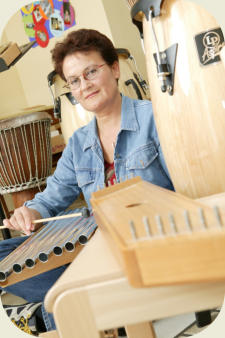
Treatment
objectives
using
SIPARI®
include
improving
linguistic,
motor,
and
cognitive
functions
and
thereby
supporting
speech-
motor
processes
and
those
speech-systematic
processes
that
encourage planning and sequencing performance.
The
SIPARI®
treatment
is
offered
as
individual
as
well
as
group
therapy.
The
duration
of
an
indivual
therapy
session
is
45
minutes.
If
required,
home
visits
can
be
arranged.
There
is
no
agreement
to
cover
costs
by
health
insurances.
At
the
beginning,
a
SIPARI®
diagnostic
examination
is
conducted
in
order
to
make
sure
that
this treatment is suitable for the respective patient.
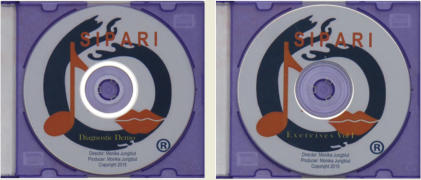
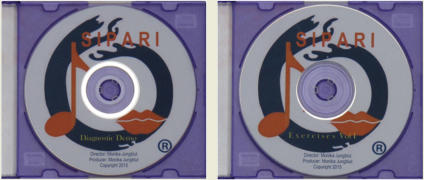
In
order
to
intensify
motor
and
cognitive
improvement,
training-
CDs
and
DVDs
can
be
purchased
for
home
training
from
therapists
who successfully completed the SIPARI® training.
Appointments by arrangement
If you have further questions, please contact
Dr. rer. medic. Monika Jungblut
Am Lipkamp 14
Duisburg
tel. ++49 203-711319


S I P A R I ®
evidence-based music-supported therapy
for patients suffering from chronic aphasia
SIPARI®
is
a
directed
music-supported
treatment
approach
developed
to
improve
language
and
speech
capabilities
of
patients
suffering
from
chronic
aphasia.
SIPARI®
was
developed
by
Dr.
Jungblut
and
was
first
tried
and
tested
in
cooperation
with
the
Medical
Faculty
of
the
University
of
Witten-Herdecke,
Germany.
In
a
controlled
group-study
with
patients
suffering
from
chronic
non-fluent
aphasia
(average
duration
of
aphasia:
11
years)
significant
improvements
of
75%
of
all
patients
were
assessed
by
a
standardized
language
procedure,
the
Aachener
Aphasie
Test (AAT).
In
2010
SIPARI®
was
listed
in
the
Cochrane
Review
“Music
therapy
for
acquired
brain
injury”
in
the
category
“communication”
as
the
only
evidence-based
method.
ref.:
Bradt
J,
Magee
WL,
Dileo
C,
Wheeler
BL,
McGilloway
E.
Music
therapy
for
acquired
brain
injury.
Cochrane
Database
of
Systematic
Reviews
2010,
Issue
7.
Art.
No.:
CD006787. DOI: 10.1002/14651858. CD006787.pub2.
Meanwhile,
a
randomized
controlled
trial
(RCT)
as
well
as
further
single
case
studies
substantiate
the
extraordinary
efficacy
of
SIPARI®
in
the
treatment
of
severely
impaired
chronic
aphasia
patients
and
also
patients
who
additionally
suffer from apraxia of speech.
Music
and
language
consist
of
melodic
and
rhythmic
elements,
although
these
basic
components
are
differently
emphasized.
Undoubtedly,
the
human
voice
represents
the
most
direct
connection
between
music
and
language.
Starting
from
singing
towards
intonation
up
to
prosody,
the
human
voice
takes
over
a
bridging
function,
which
combines
rhythmic
and
melodic
components
in
a
unique
manner
because
transitions
can
be
produced
step
by
step.
Therefore,
specifically
targeted
rhythmic-melodic
voice
training
represents
the
starting
point
of
the
SIPARI®
method.
Apart
from
the
voice,
further
instruments
are
used.
Rhythmic
cognition
trainings,
which
are
performed
on
instruments,
vocally
or
in
combination
serve
to
encourage
planning
and
sequencing
performance.
Another
basic
component
of
this
method
constitutes
joint
instrument
playing
on
instruments,
which
can
be
used
without
any
musical
experience.
These
communication
trainings
support
social
interaction
but
also
promote
cognitive
functions
(e.g.
attention,
working memory).

2026 © Dr. Jungblut
Disclaimer
The
SIPARI®
therapy
was
developed
by
Dr.
Jungblut
and
is
applied
exclusively
by
trained
and
certified
therapists
or
Dr.
Jungblut
herself.
Those,
who
are
interested
in
this
treatment
should
check
that
the
providing therapist successfully completed the SIPARI® trainings.



S I P A R I ®
evidence-based music-supported therapy
for patients suffering from chronic aphasia
Information for Patients
Individual Therapy


SIPARI®
is
a
directed
music-supported
treatment
approach
developed
to
improve
language
and
speech
capabilities
of
patients
suffering
from
chronic
aphasia.
SIPARI®
was
developed
by
Dr.
Jungblut
and
was
first
tried
and
tested
in
cooperation
with
the
Medical
Faculty
of
the
University
of
Witten-Herdecke,
Germany.
In
a
controlled
group-study
with
patients
suffering
from
chronic
non-fluent
aphasia
(average
duration
of
aphasia:
11
years)
significant
improvements
of
75%
of
all
patients
were
assessed
by
a
standardized
language
procedure,
the
Aachener
Aphasie
Test (AAT).
In
2010
SIPARI®
was
listed
in
the
Cochrane
Review
“Music
therapy
for
acquired
brain
injury”
in
the
category
“communication”
as
the
only
evidence-based
method.
ref.:
Bradt
J,
Magee
WL,
Dileo
C,
Wheeler
BL,
McGilloway
E.
Music
therapy
for
acquired
brain
injury.
Cochrane
Database
of
Systematic
Reviews
2010,
Issue
7.
Art.
No.:
CD006787. DOI: 10.1002/14651858. CD006787.pub2.
Meanwhile,
a
randomized
controlled
trial
(RCT)
as
well
as
further
single
case
studies
substantiate
the
extraordinary
efficacy
of
SIPARI®
in
the
treatment
of
severely
impaired
chronic
aphasia
patients
and
also
patients
who
additionally
suffer
from
apraxia of speech.
Music
and
language
consist
of
melodic
and
rhythmic
elements,
although
these
basic
components
are
differently
emphasized.
Undoubtedly,
the
human
voice
represents
the
most
direct
connection
between
music
and
language.
Starting
from
singing
towards
intonation
up
to
prosody,
the
human
voice
takes
over
a
bridging
function,
which
combines
rhythmic
and
melodic
components
in
a
unique
manner
because
transitions
can
be
produced
step
by
step.
Therefore,
specifically
targeted
rhythmic-
melodic
voice
training
represents
the
starting
point
of
the
SIPARI®
method.
Apart
from
the
voice,
further
instruments
are
used.
Rhythmic
cognition
trainings,
which
are
performed
on
instruments,
vocally
or
in
combination
serve
to
encourage
planning
and
sequencing
performance.
Another
basic
component
of
this
method
constitutes
joint
instrument
playing
on
instruments,
which
can
be
used
without
any
musical
experience.
These
communication
trainings
support
social
interaction
but
also
promote
cognitive
functions
(e.g.
attention,
working memory).
Treatment
objectives
using
SIPARI®
include
improving
linguistic,
motor,
and
cognitive
functions
and
thereby
supporting
speech-
motor
processes
and
those
speech-systematic
processes
that
encourage planning and sequencing performance.
The
SIPARI®
treatment
is
offered
as
individual
as
well
as
group
therapy.
The
duration
of
an
indivual
therapy
session
is
45
minutes.
If
required,
home
visits
can
be
arranged.
There
is
no
agreement
to
cover
costs
by
health
insurances.
At
the
beginning,
a
SIPARI®
diagnostic
examination
is
conducted
in
order
to
make
sure
that
this treatment is suitable for the respective patient.
In
order
to
intensify
motor
and
cognitive
improvement,
training-
CDs
and
DVDs
can
be
purchased
for
home
training
from
therapists who successfully completed the SIPARI® training.
Appointments by arrangement
If you have further questions, please contact
Dr. rer. medic. Monika Jungblut
Am Lipkamp 14
Duisburg
tel. ++49 203-711319

2026 © Dr. Jungblut
Disclaimer

The
SIPARI®
therapy
was
developed
by
Dr.
Jungblut
and
is
applied
exclusively
by
trained
and
certified
therapists
or
Dr.
Jungblut
herself.
Those,
who
are
interested
in
this
treatment
should
check
that
the
providing
therapist
successfully completed the SIPARI® trainings
.